Students

The Student Experience: Navigating Growth, Challenge, and Opportunity in a Modern World

Introduction: More Than Just Learners

Students represent much more than individuals enrolled in academic institutions. They are thinkers, innovators, explorers, and the promise of tomorrow. While society often views students through the lens of textbooks, classrooms, and examinations, their role in shaping the future extends far beyond traditional expectations. In today’s rapidly evolving world, being a student is a complex, dynamic experience that encompasses intellectual development, emotional maturity, and social engagement. Understanding the multifaceted nature of student life is essential in nurturing not just academic achievement but holistic growth.

The Changing Face of the Modern Student

Gone are the days when students were passive recipients of knowledge. The contemporary student is a digital native, a multitasker, and often a social advocate. With access to an abundance of information at their fingertips, today’s learners are more informed and empowered than any generation before them. However, with this empowerment comes an increased set of expectations and challenges.

Key traits of the modern student:

  • Digitally Fluent: Proficient with technology and online platforms

  • Globally Aware: Conscious of global issues, social justice, and sustainability

  • Autonomous Learner: Capable of self-directed and inquiry-based learning

  • Multidimensional: Balancing academics, extracurriculars, and part-time work

  • Resilient: Adapting to uncertainty in an ever-changing academic landscape

These qualities are reshaping how education is delivered and how learning is experienced across schools, colleges, and universities worldwide.

Academic Life: Beyond Grades and Exams

While academic achievement remains a cornerstone of the student journey, true education is about more than grades. It is about cultivating critical thinking, curiosity, discipline, and a lifelong love of learning. A student who is genuinely engaged in their studies gains not only knowledge but the ability to analyze, communicate, and create.

What defines academic success today:

  • Understanding over rote memorization

  • Application of theory in real-world scenarios

  • Collaborative learning and peer dialogue

  • Use of digital tools for research and presentation

  • Continuous feedback and reflective practice

Effective educators understand that the classroom is not a place for passive absorption but a vibrant space for intellectual exchange and exploration.

Challenges Students Face in Today’s World

Despite the many opportunities, the path of a student is not without hurdles. The pressure to succeed academically, navigate personal identity, and make life-defining decisions can be overwhelming. Add to this the uncertainty brought on by economic changes, political unrest, and global crises, and the student experience can become both enriching and exhausting.

Common challenges faced by students:

  • Mental Health Issues: Anxiety, stress, and depression are increasingly prevalent

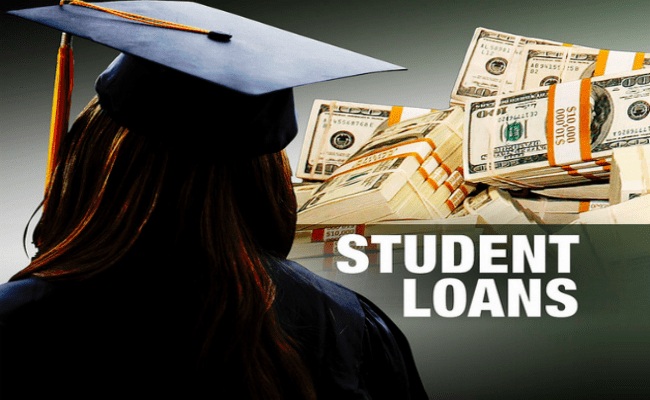
  • Financial Pressures: Rising tuition fees and living expenses add to the burden

  • Digital Distractions: Managing time amid constant notifications and social media

  • Academic Competition: The race for top grades and scholarships can be intense

  • Career Uncertainty: Navigating unclear career paths in a volatile job market

Recognizing these challenges is the first step in creating a more supportive, responsive educational environment.

The Role of Teachers and Mentors

A student’s journey is deeply influenced by the educators and mentors they encounter along the way. Teachers who inspire confidence, cultivate curiosity, and challenge students to think independently leave a lasting impact. In today’s educational ecosystem, mentors are not merely instructors—they are facilitators of transformation.

Attributes of impactful mentors:

  • Empathetic listeners who understand students’ unique circumstances

  • Encouragers of creativity, not just conformity

  • Guides who foster critical inquiry and independent thought

  • Supportive in both academic and personal development

  • Role models who embody integrity, discipline, and passion

When students are supported by such figures, they are more likely to thrive, both within and beyond the academic sphere.

Student Life: A Crucible for Personal Growth

Beyond academics, student life is a fertile ground for discovering identity, forming values, and building lifelong relationships. Participation in clubs, leadership activities, volunteering, and cultural exchange adds layers of richness to the student experience. These experiences cultivate soft skills such as communication, collaboration, adaptability, and emotional intelligence.

Benefits of active student engagement:

  • Builds confidence and self-efficacy

  • Encourages a sense of community and belonging

  • Develops leadership and organizational abilities

  • Promotes empathy and civic responsibility

  • Enhances emotional well-being and self-awareness

Students who actively engage with their communities often emerge as well-rounded individuals equipped to navigate life’s complexities with grace and resilience.

The Role of Technology in Shaping Student Experience

Technology has become both a tool and a companion in the student journey. From virtual classrooms and digital textbooks to AI-based learning platforms and online collaboration tools, technology is redefining how students access, process, and apply knowledge. While it brings immense convenience, it also requires responsible use and digital literacy.

Positive impacts of technology in student life:

  • Instant access to a global knowledge base

  • Opportunities for remote and flexible learning

  • Enhanced collaboration across geographical boundaries

  • Personalization of learning paths through adaptive technologies

  • Efficient time management through organizational tools and apps

When used mindfully, technology becomes a powerful ally in academic and personal development.

Looking Ahead: Preparing Students for the Future

As the world continues to evolve, students must be equipped with not just academic knowledge but the skills and mindset to thrive in a future marked by uncertainty. Education systems must shift their focus from test scores to real-world competencies, from rigid curriculums to adaptive learning models.

Essential future-ready skills for students:

  • Critical thinking and problem-solving

  • Creativity and innovation

  • Emotional intelligence and empathy

  • Digital literacy and data fluency

  • Global citizenship and ethical reasoning

Education that fosters these skills prepares students not just for jobs but for lives of purpose, adaptability, and impact.

Conclusion: Celebrating the Student Journey

Students are not merely preparing for life—they are living it. Every lecture attended, challenge faced, and discovery made contributes to their evolution. They are the thinkers of today and the leaders of tomorrow. Supporting them requires more than academic instruction—it demands understanding, empathy, and a commitment to nurturing the whole person.

In celebrating students, we celebrate potential, progress, and the unyielding spirit of learning. They are not just participants in the educational system—they are its very heartbeat. And as they grow, so too does the future of our world.

What is your reaction?

Excited
0
Happy
0
In Love
0
Not Sure
0
Silly
0

You may also like

Comments are closed.

More in:Students