
 By Leo Eric
Introduction: Students as Architects of the Future
In every era, students have stood at the threshold of change. Whether quietly buried in textbooks or boldly marching for justice, they represent the heartbeat of progress. They are not merely learners in a formal system—they are observers, questioners, creators, and catalysts. In today’s rapidly evolving world, the role of a student is more complex and multifaceted than ever before. As education systems modernize and global challenges intensify, students emerge not just as recipients of knowledge but as active participants in shaping the future.
The Identity of a Modern Student
The word “student” often conjures images of classrooms, exams, and assignments. Yet the essence of being a student extends far beyond those associations. A modern student is someone committed to growth—intellectually, emotionally, socially, and ethically. They balance ambition with anxiety, opportunity with responsibility, and personal aspirations with societal expectations.
Key traits of modern students include:
-
Adaptability: Navigating shifting curricula, hybrid learning, and evolving technologies
-
Global Consciousness: Engaging with issues like climate change, equity, and digital rights
-
Digital Fluency: Leveraging online platforms for research, communication, and collaboration
-
Multitasking Abilities: Balancing academics with part-time jobs, extracurriculars, and self-care
-
Critical Thought: Challenging outdated norms and seeking purpose-driven education
These traits are nurtured in an environment that goes far beyond the traditional classroom and taps into real-world complexities.
Academic Growth: More Than a Letter Grade
Education should do more than prepare students for exams—it should prepare them for life. Unfortunately, too many systems still equate success with scores. While academic performance is important, a narrow focus on grades can eclipse more vital aspects such as creativity, curiosity, and resilience. Students thrive when they are empowered to think, not just remember.
Indicators of authentic academic growth:
-
Mastery of concepts, not mere memorization
-
Confidence in expressing and defending ideas
-
Ability to work collaboratively on complex tasks
-
Readiness to apply learning in real-life contexts
-
Capacity for independent inquiry and research
True learning inspires not only knowledge acquisition but also personal transformation.
Challenges Students Face Today
The journey of a student is rich with discovery, but it is also rife with pressure. From societal expectations to the constant comparison fostered by social media, students today grapple with a multitude of stressors. While technology has brought unprecedented access to knowledge, it has also introduced distractions, unrealistic standards, and mental health challenges.
Common challenges in student life:
-
Academic Pressure: Intense competition and fear of failure
-
Mental Health Concerns: Anxiety, depression, and burnout are increasingly prevalent
-
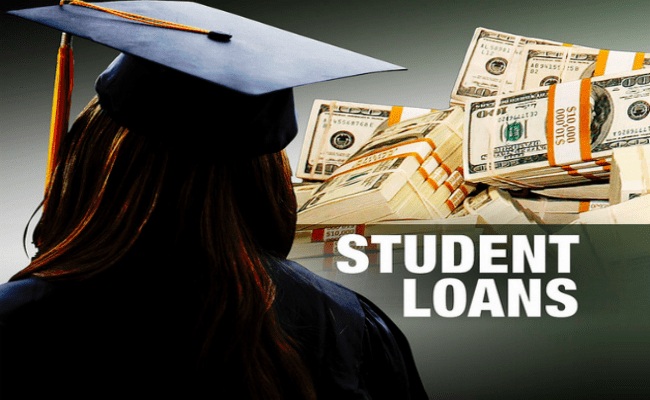
Financial Constraints: Rising education costs and limited access to support
-
Time Management Struggles: Balancing multiple responsibilities with limited time
-
Uncertainty about the Future: Navigating unclear career paths and global instability
These challenges highlight the importance of a supportive educational environment that values well-being as much as achievement.
The Importance of Emotional and Social Development
Education must nourish the heart as much as it trains the mind. Emotional intelligence, empathy, and communication are crucial life skills that often receive insufficient attention in academic settings. Students equipped with emotional and social awareness are better prepared for both personal fulfillment and professional success.
Benefits of emotional and social learning:
-
Strengthened interpersonal relationships
-
Greater resilience in the face of setbacks
-
Enhanced self-awareness and self-regulation
-
Improved leadership and teamwork capabilities
-
Deeper sense of community and social responsibility
By fostering a holistic approach, institutions can help students become not just successful professionals, but compassionate global citizens.
Student Voices: A Force for Change
Throughout history, students have been at the forefront of cultural and political transformation. From anti-apartheid protests to climate change activism, student voices have often served as the conscience of society. Today’s generation is no different. They are informed, passionate, and unafraid to speak out.
Examples of student-driven change:
-
Organizing climate marches and sustainability campaigns
-
Demanding reforms in education policies and curriculum content
-
Advocating for mental health resources and inclusion
-
Raising awareness on racial, gender, and economic inequality
-
Using digital platforms to mobilize global movements
Empowering students to lead and express their views cultivates not only a sense of agency but also a stronger, more responsive democratic society.
The Role of Educators and Institutions
Students do not thrive in isolation. Their growth depends on the quality of guidance and support they receive. Educators, mentors, and educational institutions play a pivotal role in shaping student outcomes—not just through curriculum delivery, but by creating an environment of trust, inspiration, and encouragement.
How educators can support students effectively:
-
Encourage critical thinking and open dialogue
-
Offer personalized guidance and mentorship
-
Recognize diverse talents beyond academic performance
-
Promote inclusive and respectful learning environments
-
Emphasize values like integrity, collaboration, and curiosity
A teacher who believes in a student’s potential can change the trajectory of their life.
Technology: Friend or Foe?
There is no denying that technology has transformed the student experience. From virtual classrooms to AI-driven learning tools, education has become more accessible and interactive. However, unchecked reliance on screens and digital content can lead to reduced attention spans, overconsumption, and social isolation.
Balancing technology in student life:
-
Use digital platforms for collaboration, not just consumption
-
Schedule offline time for reflection, reading, and personal connection
-
Develop media literacy to critically evaluate online information
-
Integrate technology with traditional methods for a balanced approach
-
Create mindful boundaries around screen time
When harnessed thoughtfully, technology can be a bridge to deeper learning rather than a distraction from it.
Looking Ahead: Building Resilient, Empowered Students
The world students will inherit is uncertain, complex, and interdependent. Preparing them requires more than subject knowledge—it demands character, flexibility, and courage. Resilient students are not afraid to fail; they see setbacks as part of the journey. Empowered students don’t just follow—they lead, innovate, and question.
Essential skills for future-ready students:
-
Critical and creative thinking
-
Digital and data literacy
-
Collaboration across cultures
-
Emotional agility and self-management
-
Ethical reasoning and global awareness
Cultivating these qualities will ensure students are not just workforce-ready but life-ready.
Conclusion: Celebrating the Student Spirit
To be a student is to be on a path of becoming—constantly evolving, questioning, and striving. It is a role filled with challenge, but also infinite promise. In their quiet persistence and bold idealism, students carry the weight and the wonder of the future. As they navigate this chapter of growth, the support and recognition they receive will shape not only their individual lives but the world they go on to build.
In honoring the student journey, we affirm our faith in progress, resilience, and the power of learning to illuminate what lies ahead.