
 By Leo Eric
Introduction: Where It All Begins
In the quiet hum of a school morning—amid rustling papers, scribbling pens, and eager conversations—something extraordinary takes place. These humble institutions, often underestimated in their influence, are the very crucibles where the future is forged. A school is more than a destination for learning; it is where identities are formed, dreams are kindled, and the blueprint for a better world is drawn, one lesson at a time. While its physical structure may be simple, the role it plays in shaping society is profound.
The Multifaceted Purpose of Education
At first glance, the objective of school may appear purely academic—reading, writing, and arithmetic. But delve deeper and you’ll uncover an intricate web of purposes that extend far beyond exam scores and report cards. The true essence of education is holistic development, encompassing intellectual, emotional, ethical, and social growth.
Schools fulfill several fundamental roles:
-
Cognitive Development: Stimulating curiosity, fostering analytical thinking, and nurturing problem-solving abilities.
-
Social Integration: Teaching students how to coexist respectfully with peers from diverse backgrounds and perspectives.
-
Moral Grounding: Instilling a sense of right and wrong, encouraging empathy, and promoting civic responsibility.
-
Skill Acquisition: Preparing students for the complexities of real life through critical life skills—communication, collaboration, adaptability, and leadership.
Through these roles, school functions not only as an academic institution but as a miniature version of society, preparing young people to step into the world as competent, conscientious citizens.
The Classroom: A Living Laboratory of Thought
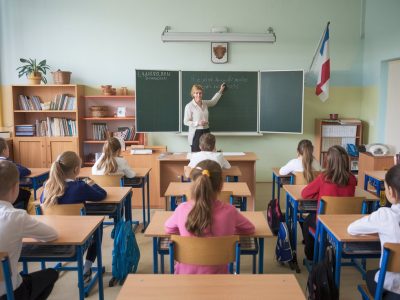
Step into any dynamic classroom and you’ll find more than desks and whiteboards; you’ll find a vibrant ecosystem of ideas, emotions, and transformation. It is in the classroom that students experience the joy of discovery and the challenge of growth. Each question asked, each mistake made, and each insight gained contributes to the construction of an individual’s worldview.
Effective classrooms are not dictated by silence or rigid control. Rather, they thrive on dialogue, experimentation, and the organic flow of thought. When guided by passionate educators, these spaces become incubators of innovation and empathy, where the potential within each student is slowly, deliberately, and respectfully drawn out.
Teachers: The Unseen Sculptors of Tomorrow
If a school is the stage, then teachers are the directors—carefully choreographing the educational experience with wisdom, patience, and heart. A skilled teacher doesn’t merely disseminate facts but breathes life into learning. They recognize the invisible struggles students carry and meet them with compassion. They celebrate small victories and turn failures into valuable lessons.
Qualities that define impactful educators include:
-
Emotional Intelligence: The ability to perceive, understand, and respond to students’ feelings and motivations.
-
Adaptability: Adjusting teaching methods to meet diverse learning needs and ever-changing educational landscapes.
-
Passion for Learning: Inspiring students not only to learn but to love learning.
For many, the voice of a beloved teacher lingers long after the final bell has rung—a reminder of the powerful, lasting influence they wield in shaping minds and futures.
Beyond the Syllabus: The Hidden Curriculum
Much of what a student learns in school is never written on the blackboard or included in a test. These intangible lessons—the “hidden curriculum”—are arguably as impactful as any academic subject. Within the daily rhythm of school life, students absorb values, attitudes, and habits that will define their character.
Examples of hidden lessons include:
-
Understanding the importance of punctuality and responsibility.
-
Learning to handle conflict with maturity and civility.
-
Developing a work ethic and a sense of accountability.
-
Appreciating diversity and learning to listen before speaking.
It is in the cafeteria, on the playground, in group projects and school assemblies that students learn about fairness, resilience, and community—lessons that will serve them long after graduation.
School as a Social Equalizer
At its best, school is a ladder—a tool that enables every child, regardless of background, to rise above limitations and strive for excellence. In many communities, schools serve as the only bridge to opportunity, breaking cycles of poverty, ignorance, and disenfranchisement.
Quality education can narrow social disparities and give every student a fighting chance. When a school functions equitably, it tells each child: You matter. You belong. You can. This message alone can be transformative.
Yet, the challenge lies in ensuring that all schools—regardless of geography or funding—can deliver on this promise. Educational equity remains one of the most urgent and noble goals of our time.
Navigating a Changing Landscape
The traditional concept of school is evolving. With the rise of digital technology, virtual learning environments, and global connectivity, education is undergoing a quiet revolution. While innovation brings new tools and access, it also introduces new complexities.
Modern challenges facing schools include:
-
Balancing screen time with human interaction.
-
Addressing the mental health crisis among youth.
-
Training teachers for 21st-century classrooms.
-
Bridging the digital divide to ensure equal access.
In this evolving landscape, schools must adapt without losing their soul. The heart of schooling—human connection, inspiration, and purpose—must remain intact even as delivery methods shift.
Conclusion: School as the Seed of Society
To understand the importance of school is to understand the architecture of society itself. It is in these early institutions that the values of tomorrow are planted, nurtured, and eventually harvested. Each student represents a possibility. Each classroom, a field of potential. And every school, regardless of its location or size, is a vessel for collective hope.
We often measure a school’s success by test scores or graduation rates. But its true success lies in the kind of people it helps produce—thinkers who question, leaders who serve, citizens who care. As we move further into a complex, interconnected future, let us never forget where it all begins. In the simplicity of a school bell ringing. In the spark of a young mind awakening. In the quiet, enduring work of teaching and learning.
The school may be silent in its influence, but it is the architect of all that follows.